
Where To Get Cocaine in Bansko
Where To Get Cocaine in Bansko
Cocaine in Bulgaria’s Premier Ski Resort
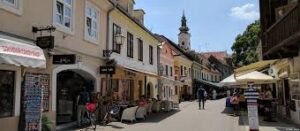
Bansko, Bulgaria’s largest and most developed ski resort nestled in the Pirin Mountains, presents a seasonal, tourist-driven cocaine market dramatically shaped by its transformation from traditional mountain town to international party destination. The town’s identity as a budget-friendly alternative to Alpine ski resorts with vibrant après-ski nightlife creates a drug landscape where consumption peaks dramatically during winter seasons, serving international tourists, seasonal workers, and the new wealthy class attracted by real estate development. According to Balkan drug monitoring, cocaine purity in Bansko is highly variable (35-60%), with significant adulteration and quality fluctuations based on tourist demand. The market operates with relative impunity in certain tourist enclaves and luxury developments, while local authorities maintain superficial control. Operating within Bulgaria’s strict legal framework but amid corruption and tourism economic priorities, cocaine in Bansko represents the dark side of Bulgaria’s tourism success—a chemical accessory to the winter sports experience that exploits regulatory gaps and economic disparities, highlighting how rapid tourism development can create ideal conditions for drug markets in previously isolated communities. Where To Get Cocaine in Bansko. Where To Get Cocaine in Bansko. Where To Get Cocaine in Bansko. Where To Get Cocaine in Bansko
Historical Development and Tourism Explosion|Where To Get Cocaine in Bansko
Bansko’s history as a quiet mountain town and cultural center (birthplace of Bulgaria’s National Revival) changed dramatically in the 1990s with post-communist tourism development. Initial small-scale skiing expanded into massive resort construction in the 2000s, funded by foreign investment and Bulgarian new wealth. Cocaine entered with international tourists in the early 2000s, initially limited to wealthy visitors and developers. The 2010s saw explosive growth as Bansko marketed itself as a budget party destination with British and Russian tour operators. The construction of luxury apartments and hotels created a permanent wealthy population with different consumption patterns. Wastewater analysis (limited in Bulgaria) suggests extreme seasonal cocaine spikes during winter, with the small town’s temporary population explosion creating drug consumption levels comparable to major cities. The 2024 Balkan Drug Report highlights Bansko’s position: a classic example of tourism-driven drug market development, where international demand creates local supply networks that operate seasonally but with increasing year-round presence due to permanent luxury residents, presenting unique enforcement challenges in a small community suddenly connected to global drug flows. Where To Get Cocaine in Bansko. Where To Get Cocaine in Bansko. Where To Get Cocaine in Bansko. Where To Get Cocaine in Bansko
Legal Framework and Tourism Economy Priorities|
Where To Get Cocaine in Bansko
Bulgaria has strict drug laws with severe penalties for possession and trafficking. However, enforcement in Bansko is heavily influenced by tourism economics and corruption. The small local police force is overwhelmed during peak season and may be compromised by relationships with tourism businesses. For foreign tourists, enforcement is inconsistent: wealthy visitors may receive discreet warnings while budget tourists face harsher treatment. Corruption at various levels protects certain operations. A unique challenge is the “gated community” phenomenon: luxury developments operate as semi-autonomous zones where enforcement is limited. During peak season, priorities shift to maintaining public order and tourist satisfaction rather than drug enforcement. This creates a de facto dual system: visible, aggressive enforcement against small-scale local dealing or low-budget tourists, while discreet tolerance prevails in luxury settings and for affluent visitors. The legal environment thus protects tourism revenue and development interests rather than consistent application of the law, creating a market that understands and exploits these inequalities. Where To Get Cocaine in Bansko. Where To Get Cocaine in Bansko. Where To Get Cocaine in Bansko. Where To Get Cocaine in Bansko. Where To Get Cocaine in Bansko. Where To Get Cocaine in Bansko. Where To Get Cocaine in Bansko
Market Structure and Seasonal Adaptation
Bansko’s cocaine market is perfectly adapted to its seasonal tourism economy. Supply arrives from Sofia or via international connections through the airport, with mid-level distribution involving networks connected to the tourism industry. Retail operates through channels serving different tourist segments: premium delivery to luxury hotels and apartments, connections through specific bars and clubs in the resort area, social supply within tourist groups and seasonal worker communities, and some discreet street activity targeting budget tourists. Prices show extreme variation: €40-€80 per gram, with premium pricing for quality and location. Quality is generally poor and dangerous, with heavy adulteration. The market’s defining feature is its binary existence: a hyperactive, sophisticated operation during winter season serving international clients, followed by near-dormancy during summer with only basic service for permanent residents. This seasonal adaptation creates challenges for establishing consistent enforcement or health responses, as the market and its problems essentially disappear for half the year, only to return bigger each winter.
User Demographics: International Tourists and New Wealth
Cocaine use in Bansko divides sharply along economic lines. Primary user groups include: international ski tourists, particularly from UK, Russia, and Western Europe, wealthy foreign property owners and visitors in luxury developments, Bulgarian new rich with holiday homes, seasonal workers in the tourism industry, and some local youth influenced by tourist culture. Consumption environments reflect the resort experience: in luxury hotel rooms and private chalets, at exclusive après-ski parties in mountain restaurants, in the bars and clubs of the resort complex, at real estate promotional events, and discreetly on ski lifts or slopes. Polydrug use is common, with cocaine combined with alcohol (particularly vodka and local spirits) and sometimes other stimulants. The user base is characterized by transience and economic disparity: most users are visitors who will leave, while permanent residents face very different consequences. This creates a market that extracts value from the community while exporting most of its problems, allowing local authorities to ignore underlying issues until they affect the permanent population or tourism brand.
Health Services in a Seasonal Resort Town
Bansko’s healthcare system is basic and seasonal, with limited capacity for drug-related issues. The small local hospital handles emergencies but may transfer serious cases to Blagoevgrad or Sofia. There are no specialized addiction services. Harm reduction is non-existent. During peak season, tourist clinics operate but focus on ski injuries rather than drug problems. Language barriers complicate care for international patients. A unique challenge is managing drug emergencies in remote mountain locations or luxury compounds. The system’s weakness creates extreme risk: tourists using cocaine have no access to quality control, safety information, or adequate emergency response for serious reactions. This situation reflects broader issues in Bulgarian resort development: infrastructure for pleasure consumption is prioritized over infrastructure for safety and health. The healthcare gap represents both a moral failure and a business risk for the tourism industry, as a major drug-related incident could damage Bansko’s reputation, but short-term profit motives prevent investment in proper services.
Law Enforcement Strategies and Image Management
Drug enforcement in Bansko is fundamentally about protecting the tourism brand. Police maintain high visibility in the resort area primarily as a deterrent and reassurance to mainstream tourists. Operations target visible dealing that could scare families, but discreet use in luxury settings is often ignored. During peak season, additional officers are deployed but focus on public order rather than drug enforcement. Corruption remains a problem, with allegations of protection for certain businesses. Challenges include the transient nature of both users and some dealers, language barriers, jurisdictional issues in private developments, and pressure from tourism businesses to avoid “scenes.” Success is measured in absence of major incidents and tourist satisfaction surveys rather than drug seizure statistics. The strategy is essentially containment and image management: keep drug activity invisible to mainstream tourists, manage problems discreetly, and maintain Bansko’s reputation as a safe, family-friendly budget destination, even if this means tolerating significant covert drug use among certain visitor segments.
Tourist and Property Owner Considerations
For tourists and property owners, Bansko presents specific risks in an environment of apparent freedom. The resort atmosphere and peer pressure can normalize drug use. Availability through hotel staff or certain bars may seem convenient. However, the risks are extreme: legal consequences in a country with strict drug laws (long prison sentences for foreigners), health risks from dangerous product without medical support, potential exploitation by dealers targeting vulnerable tourists, and the ethical dimension of using drugs in a community experiencing rapid, uneven development. Property owners should be aware that their investments exist in a regulatory gray zone where drug problems could affect property values and community safety. Medical emergencies will receive basic response but may involve complex transfers and legal issues. The key consideration is that Bansko offers authentic mountain beauty and skiing at remarkable value. Engaging with the drug market not only carries personal risk but supports structures that exploit local economic disparities and could ultimately undermine the very tourism economy that makes the town attractive. Enjoying Bansko means respecting both its natural environment and its community, not participating in the shadow economy that threatens both.
Economic Impact in a Tourism-Dependent Community
The economic impact of cocaine in Bansko is complex within its tourism-dependent economy. The illicit market generates some revenue that circulates locally, but the costs are significant: healthcare burdens on limited services, law enforcement resources diverted from other needs, potential damage to the family-friendly brand, and reinforcement of corruption that undermines legitimate business. Bansko’s economy depends on mass tourism; any drug scandal could be devastating. Current policy, led by local authorities and tourism businesses, emphasizes discreet management and denial. The fundamental challenge is that Bansko’s rapid development has created a perfect environment for drug markets: international demand, economic inequality, regulatory gaps, and seasonal population fluctuations. The town must decide whether its future is as a mass-market budget destination that turns a blind eye to certain activities, or whether it wants to develop more sustainable, quality tourism that addresses drug issues proactively. This requires investment in proper healthcare, honest enforcement, and community development that gives local residents alternatives to tourism servitude or illicit economies. Bansko stands at a crossroads: continue the current path of exploitation-based development, or build a tourism model that respects both visitors and hosts, recognizing that true sustainability requires addressing all aspects of community health, not just economic growth.
I’ve ordered several times and have never been disappointed. Great products, reliable shipping, and professional communication. Thank you Mathewcokehouse@gmail.com!
Payment was discrete via bitcoin
I was impressed with how fast and smooth the Bitcoin payment process was. The transaction was confirmed quickly, and my order was delivered exactly as promised. Communication was professional throughout, and the delivery exceeded my expectations. Reliable service, great customer support, and super-fast delivery. Highly recommended to anyone looking for a hassle-free experience!
All thanks to mathewcokehouse@gmail.com
I was honestly impressed with how fast everything moved. After I made my payment, my delivery arrived in just about an hour. The whole process was quick and smooth, and I was kept informed along the way. Big thanks to Mathewcokehouse@gmail.com for the fast service and prompt delivery. I really appreciate the efficiency and would definitely recommend the service based on my experience.
I had a great experience with Mathewcokehouse@gmail.com. Their prices are very reasonable, and the customer service is truly top-notch. They were responsive, professional, and made the entire process smooth from start to finish. The delivery was also fast and arrived on time. I highly recommend them to anyone looking for excellent service and fair pricing. Thank you for such a great experience!
I highly recommend Mathewcokehouse@gmail.com. He’s a trustworthy person when it comes to cannabis delivery for foreigners. From my experience, he was professional, responsive, and kept me informed throughout the process. If you’re looking for someone reliable, he’s got you covered. Thank you for the excellent service!