
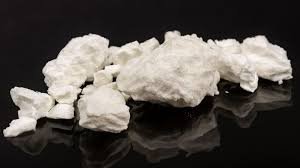
Where To Get Cocaine in Dublin/Cocaine in the Emerald Isle’s Capital
Dublin, Ireland’s capital and largest city, represents one of Europe’s most developed cocaine markets relative to population size, characterized by extensive availability, high consumption rates, and deep integration into the city’s famous pub culture and nightlife. The city’s economic transformation from European periphery to tech hub, combined with Ireland’s traditional drinking culture and changing social attitudes, has fostered a cocaine market that operates with remarkable openness despite official prohibition. According to the Health Research Board of Ireland, cocaine purity in Dublin averages 50-70% at retail level, with frequent adulteration with levamisole, phenacetin, and local anesthetics. The market serves massive local demand across social classes and substantial tourist populations, while also functioning as a distribution point for wider Ireland. Despite Ireland’s traditionally conservative social policies and significant enforcement efforts, cocaine availability has increased dramatically, with Dublin now exhibiting some of Europe’s highest per capita consumption rates, presenting a major public health and law enforcement challenge. Where To Get Cocaine in Dublin. Where To Get Cocaine in Dublin. Where To Get Cocaine in Dublin. Where To Get Cocaine in Dublin. Where To Get Cocaine in Dublin. Where To Get Cocaine in Dublin. Where To Get Cocaine in Dublin. Where To Get Cocaine in Dublin. Where To Get Cocaine in Dublin. Where To Get Cocaine in Dublin. Where To Get Cocaine in Dublin
Historical Development and Economic Transformation & Where To Get Cocaine in Dublin
Cocaine’s history in Dublin reflects Ireland’s rapid economic and social transformation since the 1990s. During most of the 20th century, cocaine was virtually unknown, with limited cannabis availability and alcohol dominating Ireland’s drug landscape. The “Celtic Tiger” economic boom (1995-2007) transformed Dublin’s cocaine market dramatically: new wealth, increased international connections, and changing social attitudes led to explosive growth in availability and use. The 2008 financial crisis temporarily reduced disposable income but did not fundamentally alter consumption patterns. Since 2012, as Ireland’s economy recovered, cocaine availability has increased further, with wastewater analysis consistently showing Dublin has among Europe’s highest cocaine consumption per capita. The Irish Drug Report 2025 notes concerning trends: cocaine now represents 25% of all drug treatment admissions in Dublin (up from 5% in 2000), use has expanded from affluent professionals to working-class communities, and social attitudes have shifted towards normalization despite official prohibition. The market shows particular resilience, with stable availability despite economic fluctuations and enforcement efforts, reflecting deep integration into Dublin’s social fabric.
Legal Framework: Irish Prohibition with Nuanced Enforcement
Ireland’s Misuse of Drugs Acts (1977-2017) classify cocaine as a Schedule 1 substance with severe penalties. Possession of cocaine can result in up to 7 years imprisonment, though first-time offenders for small quantities typically receive suspended sentences or diversion to treatment. Trafficking carries up to life imprisonment, with mandatory minimum sentences for certain quantities. In practice, Dublin police (An Garda Síochána) exercise significant discretion, particularly in certain social contexts where cocaine use has become normalized. Since 2017, there has been a shift towards health-focused approaches with the establishment of a supervised injection facility in Dublin’s city center (though primarily for opioids) and increased funding for treatment services. A unique aspect is Ireland’s system of “adult cautions” for minor possession, which allows first-time offenders to avoid criminal records. Despite these developments, enforcement remains challenging: limited resources, competing priorities, and social acceptance in certain circles complicate police efforts. The Garda National Drugs and Organised Crime Bureau focuses on high-level distribution networks, with particular attention to connections with UK and continental European traffickers exploiting Ireland’s island geography for premium pricing. Where To Get Cocaine in Dublin
Market Structure and Social Integration
Dublin’s cocaine market operates through sophisticated networks that leverage Ireland’s social structures and geographic position. Wholesale importation exploits multiple routes: maritime shipments through Dublin Port and Rosslare Europort, air freight through Dublin Airport (Ireland’s main international gateway), and limited overland transport via Northern Ireland. These routes are controlled by organized crime groups with connections to source countries, increasingly with involvement of Irish networks that have diversified from traditional criminal activities. Mid-level distribution involves networks specializing by area and social class: some focus on affluent southside suburbs (Dublin 4, Dublin 6, Dun Laoghaire), others on northside working-class areas, others on city center nightlife districts (Temple Bar, South William Street, George’s Street), and others on university areas. Street-level distribution occurs through: established dealers in specific pubs and clubs, delivery services arranged via encrypted apps (particularly WhatsApp), social supply within professional and social circles, and limited open dealing in certain public spaces. Prices show segmentation: premium product (60-70% purity) sells for €80-€100 to affluent users, while standard product (50-60% purity) sells for €60-€80. Since 2020, there has been significant expansion of delivery services, with cocaine brought to homes and social venues within minutes in the compact city.
User Demographics and Cultural Context
Cocaine use in Dublin spans remarkably broad demographics, reflecting both Ireland’s economic transformation and deep-seated cultural patterns. Primary user groups include: professionals across sectors (particularly in finance, technology, and multinational corporations), working-class communities (with worrying increases in deprived areas), university students (with prevalence estimated at 20-25% according to university health services), hospitality industry workers, and the substantial tourist population. Consumption settings vary dramatically but consistently involve alcohol: affluent users consume in upscale bars, private members clubs, and golf clubs; working-class users in local pubs and social clubs; students in university bars and private parties; tourists in Temple Bar and mainstream venues. Polydrug use patterns show cocaine almost universally combined with alcohol (reported by 95% of users in treatment), creating particular health risks from this combination. A distinctive feature is the integration of cocaine into Ireland’s famous pub culture, where use has become normalized in certain circles as an extension of traditional drinking patterns. Wastewater data shows consistent weekend patterns with Thursday-Saturday peaks accounting for 80% of weekly consumption, reflecting Ireland’s concentrated social drinking patterns.
Health Services and Evolving Approaches
Dublin offers developing services for cocaine-related issues through Ireland’s healthcare system, with significant recent improvements but remaining gaps. The city hosts multiple specialized services: the Health Service Executive’s addiction services provide outpatient counseling and medical treatment; hospital emergency departments have protocols for stimulant intoxication (particularly for cocaine-alcohol combinations); and the Ana Liffey Drug Project offers low-threshold services. Harm reduction services are developing: supervised consumption facilities exist (though focused primarily on opioids), overdose prevention training is available, and drug checking has been piloted though not yet institutionalized. A significant strength is Ireland’s integrated healthcare system, which allows coordination between services, though capacity constraints remain challenging. Gaps include: limited specialized stimulant treatment (with waiting lists for public services), challenges reaching affluent professionals who avoid traditional addiction services, and need for more targeted prevention in nightlife settings. Since 2023, there has been increased training for healthcare providers in recognizing and managing cocaine use disorders, responding to rising presentations at emergency departments and treatment services.
Law Enforcement Strategies and Island Geography
Dublin Gardaí employ sophisticated strategies against cocaine distribution while leveraging Ireland’s island geography for import control. The Garda National Drugs and Organised Crime Bureau conducts operations targeting importation networks, with particular focus on maritime routes through Dublin Port and the postal system. Local Gardaí focus on street-level distribution through operations in known dealing areas, particularly around certain pubs, clubs, and public housing complexes. Since Ireland’s establishment of the Criminal Assets Bureau, there has been increased focus on financial investigations targeting drug-related wealth, with notable successes in asset seizure. Challenges are significant: social acceptance in certain circles complicates enforcement; encrypted communications hinder investigations; violence between competing networks has increased (with several high-profile incidents in 2024); and resource constraints limit operational capacity. A particular focus since 2022 has been targeting “county lines” type operations where Dublin-based networks supply regional towns, exploiting Ireland’s improved road network. Current intelligence suggests networks are increasingly using Ireland’s growing e-commerce and delivery infrastructure for distribution, and exploiting the common travel area with the UK for movement of drugs and cash.
Tourist and International Visitor Considerations
Dublin’s status as a major tourist destination creates unique cocaine-related risks for visitors. First, tourists are frequently targeted by dealers in central areas like Temple Bar, Grafton Street, and around major hotels, with risks of adulterated products or coordinated robberies. Second, Ireland’s legal system can result in severe penalties, with limited discretion for tourists and potential impacts on travel to the UK through the Common Travel Area agreement. Third, medical services are generally good but may involve complex insurance claims, with potential police notification for serious cases. Fourth, Ireland’s famous pub culture creates particular risks: cocaine use combined with heavy alcohol consumption (common among tourists) creates acute health risks that are poorly understood by visitors. Fifth, visitors should understand that while Dublin presents a friendly, welcoming image, drug enforcement has intensified since 2023 due to political pressure around organized crime and public health concerns, resulting in more frequent Garda operations in previously tolerant areas. Finally, the high prevalence of use among locals can create false perceptions of safety or acceptance, masking real legal and health risks.
Economic Impact in a Transformed Economy
Cocaine’s economic impact in Dublin reflects Ireland’s transformed but uneven economy. The market’s scale is substantial: estimated annual retail value of €150-€250 million in Dublin alone, significant in a city of 1.4 million. Positive economic effects (from a purely transactional perspective) include: spending within the hospitality sector (particularly pubs and clubs), informal employment, and money circulation. Negative impacts are more significant: healthcare costs for treating complications (estimated at €60-€90 million annually, particularly for cocaine-alcohol combinations), law enforcement expenditures, lost productivity from addiction, and social costs in communities affected by drug-related crime. Policy debates reflect tensions between Ireland’s traditional conservatism and pragmatic responses to drug problems. The current “National Drugs Strategy 2021-2025” emphasizes health-led approaches, harm reduction, and addressing social determinants. Implementation challenges include: balancing enforcement with health approaches, addressing the normalization of use in certain social circles, and coordinating responses across government departments in a system with historical fragmentation in drug policy. The scale of cocaine use in Dublin represents one of Ireland’s most significant public health challenges, requiring sustained, multifaceted responses.
I am delighted to have worked with Mathewcokehouse@gmail.com Their understanding of cocaine market, and what it takes to make a successful
purchase, was truly impressive. Highly recommend this outstanding source
I and a few friends have been purchasing from Mathewcokehouse@gmail.com for more than 2 months now. It has been top quality coke & services
all through. This is the best local coke plug you can find. Very friendly and professional.
I will always recommend at all times.
I had an excellent experience with Mathewcokehouse. The communication was professional, the service was reliable, and everything was handled with great attention to detail. I truly appreciate the dedication, honesty, and commitment to customer satisfaction. Thank you for providing such outstanding service and maintaining a high standard of professionalism. I would confidently recommend Mathewcokehouse to others and look forward to future interactions.
I was impressed with how fast and smooth the Bitcoin payment process was. The transaction was confirmed quickly, and my order was delivered exactly as promised. Communication was professional throughout, and the delivery exceeded my expectations. Reliable service, great customer support, and super-fast delivery. Highly recommended to anyone looking for a hassle-free experience!
All thanks to mathewcokehouse@gmail.com
I had an excellent experience with Mathewcokehouse@gmail.com
Everything was delivered by exactly as promised, and the entire process was smooth and reliable. The delivery was on time, and I received everything in excellent condition. I really appreciate the professionalism and great service. Highly recommended!