
Where To Get Cocaine in Kos & Cocaine in the Dodecanese Party Island
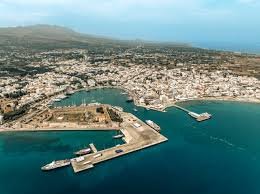
Kos, one of Greece’s Dodecanese islands and a major Aegean tourist destination, presents an intensely seasonal cocaine market characterized by extreme tourist concentration, significant quality variations, and integration with the island’s reputation as Mediterranean party destination. The island’s status as package tourism hub, proximity to Turkey, and well-developed nightlife infrastructure have fostered a cocaine market that operates with remarkable openness during peak summer season before contracting dramatically during winter months. According to the Greek Documentation and Monitoring Centre for Drugs (EKTEPN), cocaine purity in Kos averages 35-55% during summer season, among the lowest in Greece, with frequent and dangerous adulteration including amphetamines, caffeine, and synthetic stimulants. The market serves almost exclusively tourist demand, with minimal local consumption in comparison, creating unique public health and law enforcement challenges in a destination where hedonistic tourism often overrides normal risk assessment. Despite Greece’s strict drug laws, cocaine flows relatively freely in Kos’s tourist areas during summer, protected by economic interests and the transient nature of both users and seasonal distributors.Where To Get Cocaine in Kos. Where To Get Cocaine in Kos. Where To Get Cocaine in Kos. Where To Get Cocaine in Kos. Where To Get Cocaine in Kos. Where To Get Cocaine in Kos. Where To Get Cocaine in Kos. Where To Get Cocaine in Kos. Where To Get Cocaine in Kos
Historical Development and Package Tourism Growth
Cocaine’s history in Kos is inextricably linked to the island’s development as mass tourism destination. During the 1960s and 1970s, cocaine was virtually unknown, with the island’s drug market limited to traditional cannabis. The 1980s witnessed initial emergence alongside Kos’s growing package tourism from Northern Europe, particularly the UK and Scandinavia. A significant shift occurred in the 1990s as the island established its reputation as party destination, with bars and clubs in Kos Town and Kardamena competing to attract young tourists. The 2000s saw further growth alongside the expansion of all-inclusive resorts and the development of specialized party tourism infrastructure. Since the 2010s Greek economic crisis, patterns have shown increasing tourist consumption despite declining local economic conditions. The Greek Drug Report 2025 notes extreme concerning trends for Kos specifically: cocaine now involved in 40% of all drug-related emergency admissions during summer (up from 15% in 2015), purity has decreased significantly despite price stability, and the island’s proximity to Turkey has created unique smuggling dynamics. The market shows extreme adaptation to Kos’s seasonal party tourism economy and geographic position near the Turkish coast. Where To Get Cocaine in Kos.Where To Get Cocaine in Kos
Legal Framework and Tourism Economy Pressures
Greece’s strict drug laws apply in Kos, but enforcement faces exceptional challenges due to the island’s tourism economy and seasonal extremes. The Kos Police Directorate maintains a Drug Enforcement Unit that triples in size during summer with officers seconded from other departments. Enforcement strategies show dramatic seasonal adaptation: winter operations are limited and focus on local issues, while summer emphasizes visible presence in tourist areas and rapid response to incidents. Since 2020, there has been increased but still limited cooperation with tour operators and hotel associations regarding prevention and incident management. A unique aspect is the extreme economic pressure to avoid negative publicity during the crucial summer season, creating tensions between formal legal requirements and practical tourism management. Recent legislative changes have increased penalties for drug offenses in tourist areas, but application remains inconsistent with significant discretion applied to tourist cases. Despite these measures, successful interdiction remains limited, with estimated capture rates below 5% of summer volume according to confidential police assessments. The fundamental challenge is the complete mismatch between year-round law enforcement structures and intensely seasonal market that generates most of the island’s annual revenue.
Market Structure and Party Tourism Specialization/Where To Get Cocaine in Kos
Kos’s cocaine market operates through highly specialized seasonal networks that cater specifically to party tourists. Wholesale importation utilizes the island’s geographic position: small boat deliveries from the Turkish coast (particularly from Bodrum, just 4km away at closest point), concealment in legitimate tourist ferry traffic, air freight through Kos International Airport during charter flight season, and distribution networks from Athens. Mid-level distribution involves both local networks and seasonal operations established by international groups, with specialization by tourist demographic: some focus on the British package tourist market in Kardamena (notorious for its party reputation), others on Scandinavian and German tourists in Kos Town and Tigaki, others on younger backpacker markets, and others on the growing LGBTQ+ tourist segment in certain areas. Street-level distribution occurs through: bar staff and promoters in party venues, beach vendors operating as legitimate sellers, delivery services arranged via WhatsApp and Instagram, and temporary operations in rented tourist accommodation. Prices show extreme seasonal and quality variation: even premium tourist product (45-55% purity) sells for €90-€120 per gram during peak season, while low-quality product (25-40% purity) sells for €60-€80, with significant tourist price inflation. The market is almost entirely cash-based and intensely seasonal, with most participants leaving at season’s end. Where To Get Cocaine in Kos. Where To Get Cocaine in Kos
User Demographics and Party Tourist Concentration
Cocaine use in Kos is overwhelmingly concentrated among specific tourist demographics during summer. Primary user groups include: British package tourists aged 18-30 (particularly from working-class backgrounds, with Kos being a staple of UK party holiday brochures), Scandinavian and German youth travelers, younger independent travelers, and seasonal hospitality workers from across Europe. Local consumption is minimal except among small circles of business owners connected to tourism. Consumption is heavily concentrated in specific party settings: the notorious bar streets of Kardamena (particularly Bar Street), beach clubs along Kardamena and Kos Town beaches, all-inclusive resort parties, and hotel rooms during group holidays. A distinctive feature is the normalization and even promotion of cocaine within Kos’s party tourism culture, with some establishments allegedly tolerating or facilitating use to maintain competitiveness. Polydrug use patterns are extreme and dangerous, with cocaine frequently combined with excessive alcohol (particularly cheap vodka, energy drinks, and shots), MDMA, synthetic cannabinoids, and prescription benzodiazepines. The Hellenic Centre for Disease Control reports that 90% of cocaine-related hospital admissions in Kos involve polydrug combinations, with alcohol present in 95% of cases and often involving dangerously high blood alcohol levels combined with stimulants in hot climates.
Health Services and Seasonal Medical Strain
Kos’s health services face extreme challenges in addressing cocaine-related issues due to the island’s seasonal character and concentrated party tourism. The local General Hospital maintains basic emergency services but has just 150 beds to serve summer populations exceeding 200,000. During peak season, severe strain occurs with: tourist concentrations overwhelming emergency departments, language barriers complicating care (particularly with young, intoxicated patients), insurance and payment issues, and limited capacity for specialized toxicology care. Harm reduction services are virtually non-existent: no official drug checking, limited overdose prevention information in relevant languages, minimal training for tourist industry staff, and no supervised consumption facilities. A significant gap is the complete absence of mental health services for tourists experiencing psychological distress from cocaine use, with language barriers and temporary presence complicating care. Since 2023, there has been limited training for hotel doctors and tourist police through the “Safe Summer Kos” program. The most serious cases are evacuated to Athens or home countries, but this process can take hours or days. The fundamental challenge is the complete mismatch between year-round healthcare infrastructure and intensely seasonal demand from high-risk party tourism.
Law Enforcement Strategies and Seasonal Resource Challenges
Kos Police employ distinctive seasonal strategies reflecting the island’s party tourism economy. The Drug Enforcement Unit operates with approximately 15 officers year-round but expands to 45 during peak season with officers from other departments and occasionally mainland support. Enforcement focuses almost exclusively on tourist areas during summer: visible patrols in Kardamena and Kos Town bar districts, beach operations, and rapid response to incidents. Since 2021, there has been increased but still limited cooperation with UK police through Europol channels regarding British tourist populations and organized groups targeting them. Challenges include: the extreme transient nature of both tourist users and seasonal dealers, political and economic pressure to avoid negative publicity during crucial tourism season, language and cultural barriers with intoxicated young tourists, corruption risks in a seasonal cash economy, and the difficulty of investigations when most participants leave the island at season’s end. A particular focus has been monitoring the short sea crossing from Turkey, but the volume of legitimate tourist traffic creates exceptional concealment opportunities. Successes are typically small-scale and seasonal, with operations like “Summer Shield” in 2024 arresting 20 seasonal dealers and seizing 3kg, but most leaving before prosecution concludes.
Party Tourist Risks and Safety Considerations
Kos’s status as concentrated party destination creates extreme cocaine-related risks for visitors. First, tourists are specifically targeted by sophisticated dealer networks using social media promotion, bar promoter connections, and beach approaches. Second, the intensely seasonal market means quality is highly variable and often dangerously adulterated, with frequent hospitalizations from unknown cutting agents. Third, Greece’s strict laws mean arrest can result in lengthy pre-trial detention during holiday season, with complex consular involvement and potential multi-year prison sentences despite being tourists. Fourth, medical services are severely strained during peak season, with potential delays in care and language barriers. Fifth, the concentrated party environment creates extreme peer pressure and normalization that can lead to dangerous consumption levels, exacerbated by holiday mentality, heat, and alcohol promotions. Sixth, tourists should understand that while certain party areas may present permissive environments, police operations specifically target foreign nationals during peak season, with Kardamena having one of Greece’s highest tourist arrest rates. Finally, the temporary nature of party holiday relationships and environments increases risks of violence, theft, sexual assault, and exploitation following drug transactions or consumption.
Economic Impact and Tourism Policy Dilemmas
Cocaine’s economic impact in Kos reflects profound tensions between party tourism economics and public health. The market’s scale is substantial seasonally: estimated summer retail value of €20-€35 million annually, with significant indirect economic effects through party tourism spending. Positive economic effects for the party tourism sector include: revenue for establishments that actively facilitate or tolerate drug-related tourism, employment in supporting roles, and money circulation through the local economy. Negative impacts are significant and growing: healthcare costs for treating tourist complications (largely borne by the Greek health system), law enforcement expenditures, increasing damage to Kos’s tourism image as family-friendly destination, long-term public health consequences from normalizing dangerous drug use among young tourists, and associated social costs from alcohol and drug-related violence and accidents. Policy debates are intense between tourism industry representatives (who resist changes that might affect party tourism revenue) and public health authorities (who point to rising emergency admissions and long-term risks). The current “Kos Tourism Development Plan 2025-2029” attempts to balance these with limited measures: enhanced seasonal medical services, basic prevention information, intelligence-led enforcement against the most visible networks, and efforts to diversify tourism beyond party segments. Implementation challenges are extreme, involving fundamental questions about Kos’s tourism model and economic future.

Fast, reliable, and professional. Mathewcokehouse@gmail.com delivered my order without any issues, and the quality of service exceeded my expectations. I highly recommend them to anyone looking for dependable deliveries.
Fast, reliable, and professional. Mathewcokehouse@gmail.com delivered my order without any issues, and the quality of service exceeded my expectations. I highly recommend them to anyone looking for dependable deliveries.
I was honestly impressed with how fast everything moved. After I made my payment, my delivery arrived in just about an hour. The whole process was quick and smooth, and I was kept informed along the way. Big thanks to Mathewcokehouse@gmail.com for the fast service and prompt delivery. I really appreciate the efficiency and would definitely recommend the service based on my experience.
Mathew is simply the best around the country! Every experience I’ve had with him has been outstanding. He’s reliable, professional, and always keeps his word. Whenever he says delivery will take one hour, he always arrives on time without fail. It’s hard to find someone this dependable these days. I highly recommend Mathew ( Mathewcokehouse@gmail.com) to anyone looking for fast, trustworthy, and excellent service. Keep up the amazing work!